Check out the Floor Care Blog of Bode Floors MadHive pixel

Check out the Floor Care Blog of Bode Floors

Flooring Trends for 2026: What Homeowners Need to Know

Why Flooring Trends Matter in 2026

Flooring trends play a meaningful role in shaping a home’s overall value, durability, and long-term satisfaction. The right flooring choice can boost resale appeal, stand up to everyday wear with minimal maintenance, and continue to feel stylish and functional for years to come. Today’s homeowners are increasingly drawn to low-maintenance materials that simplify upkeep, sustainable options that support environmentally conscious living, and warm, natural design aesthetics that create inviting, timeless spaces. With expert guidance and a curated selection, Bode Floors helps homeowners navigate these trends to choose flooring that feels current while remaining classic and enduring.

#1: Luxury Vinyl Continues to Dominate

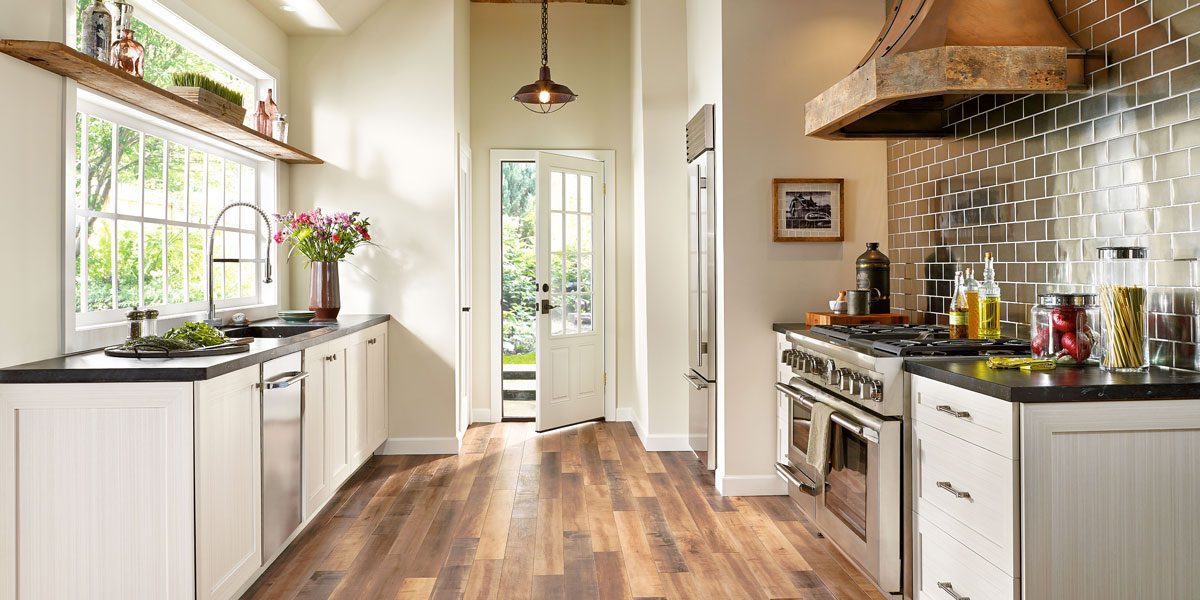
Luxury vinyl plank (LVP) continues to dominate as a top flooring choice thanks to its unbeatable combination of performance, style, and value. Homeowners are drawn to LVP because it is fully waterproof and moisture-resistant, making it ideal for kitchens, bathrooms, and basements, while its exceptional durability stands up to the demands of kids and pets. It also offers a more affordable alternative to hardwood without sacrificing a high-end look. Looking ahead to 2026, LVP design trends are evolving with wider and longer planks, ultra-realistic wood and stone visuals, and matte, low-sheen finishes that create a more natural, sophisticated appearance.

#2: Natural & Sustainable Flooring Materials

2026 highlights the growing demand for natural and sustainable flooring materials, as more health-conscious homeowners prioritize eco-friendly living. Searches for sustainable flooring and low-VOC materials continue to rise, reflecting increased awareness of indoor air quality and environmental impact. Popular sustainable options include engineered hardwood, cork flooring, bamboo flooring, and recyclable vinyl alternatives that balance durability with responsible sourcing. To ensure the best results, professional guidance plays a key role in helping homeowners select the right materials for their space, lifestyle, and long-term performance needs.

#3: Warm Wood Tones Are Back

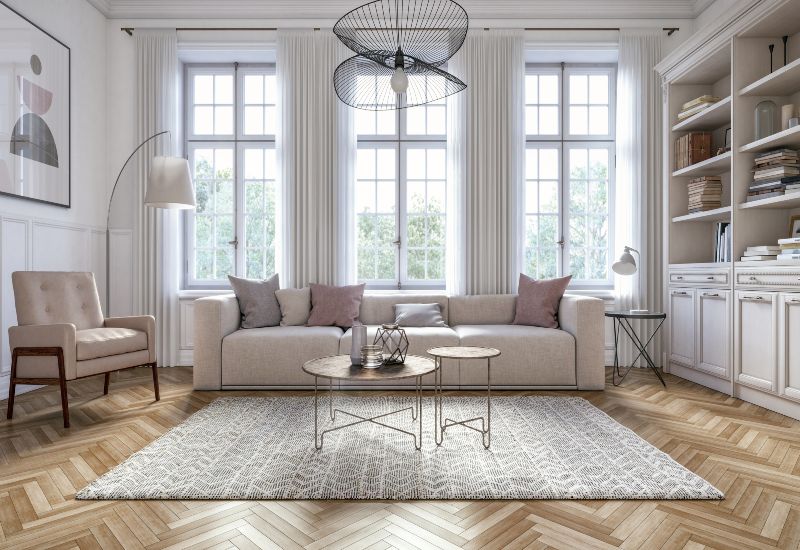
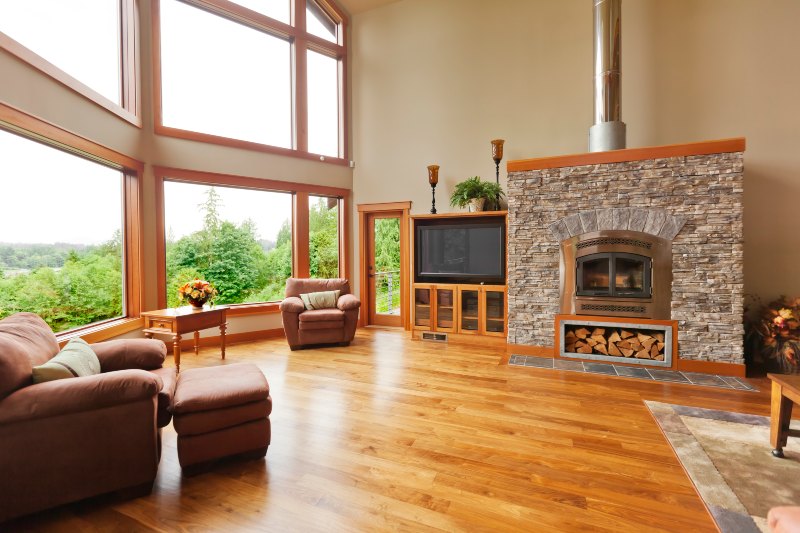
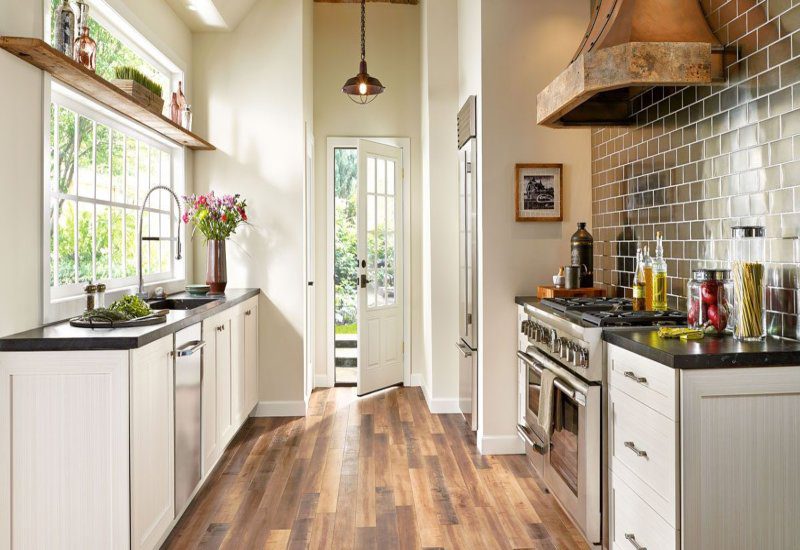
New trends signal a clear shift in interior design: warm wood tones are back. As homeowners move away from cool gray palettes and the once-dominant gray flooring continues to decline in popularity, warmer, more natural wood tones are taking center stage. These hues add depth, character, and a sense of authenticity that many modern spaces were missing. Looking ahead to 2026, the most popular wood colors include honey oak, natural maple, medium walnut, and light European oak—each offering warmth while still feeling fresh and contemporary. Design tip: incorporating warm wood tones not only creates a more comfortable and inviting atmosphere, but it can also enhance resale appeal by making spaces feel timeless, livable, and broadly appealing to future buyers.

#4: Textured & Matte Finishes

Textured & Matte Finishes continues to gain popularity as homeowners seek flooring that feels as good as it looks. Texture is trending because it adds depth and realism, creating a more authentic, natural appearance while also offering practical benefits—textured surfaces better hide scratches, scuffs, and everyday wear. Popular styles include wire-brushed hardwood, hand-scraped looks, and embossed-in-register luxury vinyl plank (LVP), all of which enhance visual interest without sacrificing performance. This trend strongly aligns with user intent by addressing durability needs and pet-friendly concerns, making it an ideal choice for busy, lived-in spaces.

#5: Seamless Flooring for Open-Concept Homes

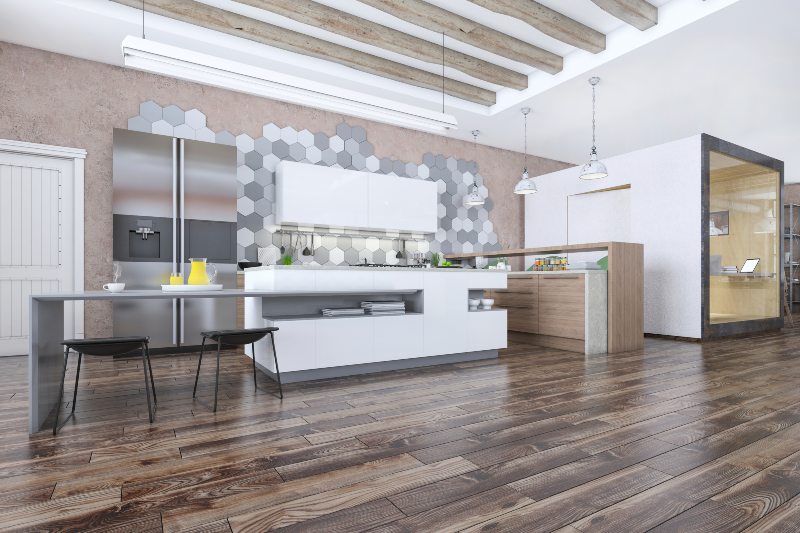
Focuses on seamless flooring for open-concept homes, where whole-home flooring solutions are increasingly popular. Homeowners are choosing the same flooring throughout their main living areas to create a natural flow and strong visual consistency from room to room. This cohesive approach not only makes spaces feel larger and more connected, but it also simplifies design decisions. The best materials for seamless installations include luxury vinyl plank, engineered hardwood, and tile-look vinyl, all of which offer durability, style, and flexibility for modern layouts. For homeowners considering this approach, professional flooring installation plays a key role in achieving a flawless, unified finish.

#6: Low-Maintenance Flooring Takes Priority

This year highlights a growing demand for low-maintenance flooring as homeowners increasingly look for “set it and forget it” solutions that fit busy lifestyles. Easy cleaning, strong scratch resistance, and reliable moisture protection are now must-have features rather than nice-to-haves. As a result, materials like luxury vinyl plank (LVP), laminate, and engineered hardwood are emerging as top choices because they balance durability with everyday convenience. To maximize the long-term performance of these floors, professional installation plays a key role—ensuring proper subfloor preparation, tight seams, and correct installation techniques that help the flooring look better and last longer over time.

How to Choose a Trend That Will Last

When choosing a flooring trend that will stand the test of time, it’s important to avoid common trend traps such as overly bold patterns, ultra-dark finishes, and niche materials that may have limited longevity. Flooring professionals recommend striking a balance between what’s currently popular and what remains timeless, ensuring your choice won’t feel dated in just a few years. Equally important is selecting flooring that suits your lifestyle—not just your design preferences—so it performs well in everyday use. Finally, no matter the trend, investing in high-quality installation is essential to ensure durability, performance, and long-term satisfaction.

Why Work with a Professional Flooring Company

Working with a professional flooring company ensures a smoother, higher-quality experience from start to finish. With access to better materials that aren’t always available to the public, professionals can deliver superior durability and performance. Proper subfloor preparation is handled with expert care, helping prevent future issues and extending the life of your floors. You also gain peace of mind through warranty protection on both materials and installation. Beyond the technical benefits, a professional team offers design guidance tailored to your home, style, and lifestyle needs. With Bode Floors, you’re partnering with trusted local experts who combine craftsmanship, knowledge, and personalized service to get the job done right.

Plan Your 2026 Flooring Upgrade with Confidence

As you look ahead to 2026, planning your flooring upgrade with confidence starts by understanding the trends shaping the year. Luxury vinyl plank (LVP) continues to dominate thanks to its durability and versatility, while warm wood tones are making homes feel more inviting and timeless. Homeowners are also prioritizing sustainable materials and low-maintenance designs that balance style with everyday practicality. With these trends in mind, planning early in the year can help you secure the best options and timelines for your project.

Schedule a free flooring consultation with Bode Floors to explore the best flooring options for your home in 2026.

How Long Can I Expect Luxury Vinyl Flooring to Last?

Vinyl plank flooring has become a popular choice for homeowners and businesses alike, offering an attractive combination of affordability, durability, and versatility. You may be asking yourself – what is luxury vinyl flooring? In this comprehensive guide, we’ll delve into the world of luxury vinyl flooring.

What Is Vinyl Plank Flooring?

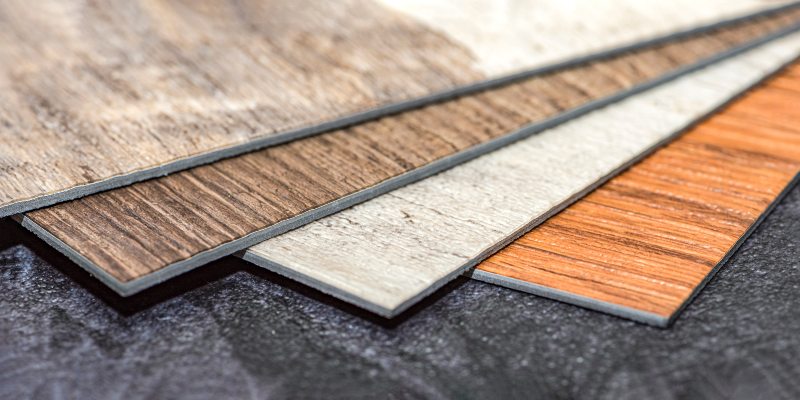
Vinyl plank flooring, often referred to simply as “vinyl flooring” or “LVT” (Luxury Vinyl Tile flooring), is a synthetic flooring material designed to mimic the appearance of hardwood flooring. It comes in individual planks that can be installed to resemble traditional wood or stone flooring. Vinyl plank flooring has gained immense popularity for its aesthetic appeal and practical benefits.

Luxury Vinyl Tile Flooring in Columbia, MD

What is Vinyl Flooring Made Of?

Vinyl flooring is manufactured through the combination of two distinct reinforced plastics, namely PVC (Polyvinyl Chloride) and fiberglass. The utilization of these plastics serves to enhance the flooring’s resilience, safeguarding it against deterioration caused by natural factors. The composition of vinyl flooring comprises three essential layers: the foundational layer, the design layer, and the surface layer. The foundational layer is placed directly atop your subfloor, providing both safeguarding and cushioning to the layers above. Meanwhile, the design layer contributes to the aesthetic attributes of your vinyl flooring, including its color, pattern, and overall charm. Finally, the surface layer of your vinyl flooring functions as a protective shield, defending the design layer against potential stains, scratches, and wear over time.

Vinyl Flooring Durability

One of the primary reasons for the popularity of vinyl plank flooring is its durability. It can withstand high-traffic areas, making it suitable for both residential and commercial spaces. Here are some factors contributing to its durability:

  • Scratch Resistance: The wear layer’s protective coating guards against scratches and scuffs, ensuring the flooring maintains its appearance over time.
  • Water Resistance: Vinyl plank flooring is inherently resistant to water, making it an excellent choice for areas prone to moisture, such as kitchens and bathrooms.
  • Stain Resistance: The wear layer also repels stains, making it easy to clean and maintain.
  • UV Resistance: Vinyl flooring is designed to resist fading when exposed to sunlight, ensuring long-lasting color retention.
  • Impact Resistance: It can withstand the impact of dropped objects without denting or cracking.

Vinyl Flooring Pros and Cons

Before choosing vinyl plank flooring for your space, it’s essential to consider both its advantages and disadvantages:
Kitchen Vinyl Tile Flooring in Columbia, MD

Advantages of Vinyl Flooring

  • Affordability: Vinyl plank flooring is more budget-friendly compared to hardwood or stone alternatives.
  • Versatility: It comes in a wide range of styles and colors, allowing you to achieve various looks, from rustic to modern.
  • Easy Installation: Many vinyl plank flooring options feature click-and-lock installation systems, making luxury vinyl floor installation a breeze.
  • Low Maintenance: Vinyl flooring is easy to clean and requires little maintenance. Regular sweeping and occasional mopping are typically sufficient.
  • Comfort Underfoot: It offers a softer and warmer surface compared to tile or hardwood, providing comfort to walk on.
  • Durability: As mentioned earlier, vinyl plank flooring is highly durable, with resistance to scratches, water, and stains.
  • Sound Absorption: Many vinyl planks have sound-absorbing properties, reducing noise levels within your space.

Disadvantages of Vinyl Flooring

  • Not as Authentic: While it replicates the look of hardwood or stone, some may prefer the authenticity of natural materials.
  • Environmental Concerns: Some vinyl flooring may contain volatile organic compounds (VOCs), which can emit harmful fumes. Look for low-VOC or phthalate-free options if you are concerned about indoor air quality.
  • Not Ideal for Extreme Temperatures: Vinyl plank flooring can be sensitive to extreme heat and cold, which can lead to warping or cracking.
  • Limited Refinishing: Unlike hardwood, vinyl cannot be refinished once it is worn or damaged. Replacement may be necessary.

Vinyl Flooring Thickness of Wear Layer

The wear layer thickness of vinyl plank flooring varies among different products and can greatly impact its durability and longevity. A thicker wear layer provides better protection against wear and tear, including scratches and dents. It is ideal for high-traffic areas and commercial settings. When selecting vinyl plank flooring, consider the expected foot traffic in the area and choose a wear layer thickness that aligns with your needs.

How often should you repair or replace vinyl flooring?

Vinyl plank flooring is known for its durability, but like any flooring material, it may require repair or replacement under certain circumstances. Depending on the thickness of the wear layer and the foot traffic, luxury vinyl flooring will last from 10 to over 20 years. Routine maintenance, such as cleaning and addressing minor issues promptly, can help prolong the life of your vinyl flooring and minimize the need for repair or replacement.

How can I ensure vinyl flooring maintenance?

Proper maintenance is essential to keep your vinyl plank flooring looking its best and maximize its lifespan. Sweep or vacuum the floor regularly to remove dust and debris. Use a damp mop with a mild vinyl floor cleaner for deeper cleaning and avoid harsh chemicals. Area rugs, mats, and furniture protectors can help lessen the wear and tear over time.

Contact Bode Floors today!

Discover Bode Floors, a family legacy in Howard County’s flooring industry since 1975. As a private, locally-owned company, CB Flooring, LLC, founded by Chuck and Carol Bode in 1997, is a trusted flooring expert in Columbia, MD. With decades of experience serving Maryland, DC, and Virginia, we’ve grown to become one of the nation’s largest privately-owned flooring contractors. Explore our showrooms featuring the best luxury vinyl flooring options and let our specialists help you find the perfect floor for your lifestyle and budget. You can also contact us today schedule an appointment or visit us now. Transform your space with Bode Floors today!

A Simple Guide to Vinyl Flooring Maintenance

Vinyl flooring is a high-performance, inexpensive, and versatile alternative to traditional flooring options like wood, carpet, and stone. When properly maintained and protected, vinyl planks and tiles can retain their original appearance for years, even in areas of the home that endure heavy foot traffic. Follow this simple floor guide for maintaining and cleaning vinyl.
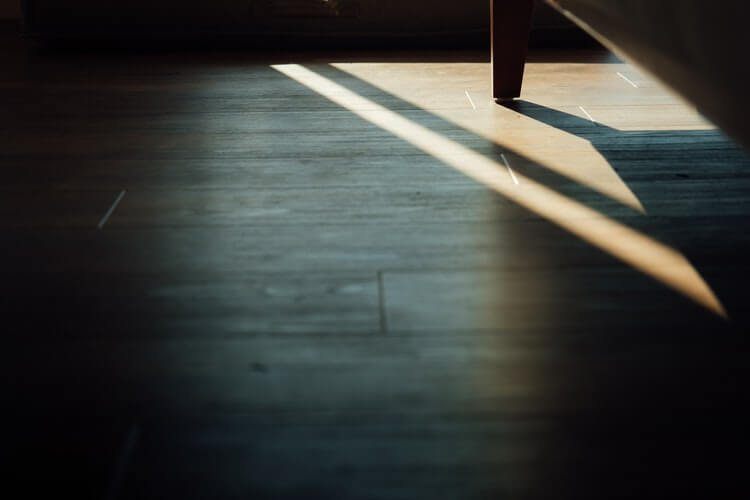
A dark wood floor

Take Precautions

The best way to keep vinyl flooring clean and looking like new is to take a few precautions against everyday dirt, grime, and damage. Those entering the home should always wipe their feet on a doormat or remove their shoes entirely to avoid tracking in damaging debris and oils. Felt or nylon floor protectors can also ensure that furniture doesn’t wear away the vinyl over time, and heavy furniture should only be moved using a dolly or protective mats.

Dry Cleaning and Wet Cleaning

Before breaking out the mop and bucket, it’s important to dry clean vinyl flooring. Use a floor duster and a vacuum without a beater bar or rotary brush head (these may scratch the floor) to safely remove dirt, dust, hair, and debris that can damage the vinyl if dragged around with a mop. To wet clean vinyl flooring, use a mop and warm water. Manufacturer-approved cleaning products or solutions can also be added.

Getting Rid of Stains and Scuffs

Although vinyl is quite durable, it can take on stains and scuffs over time. Stains can be removed with either a pH-neutral floor cleaner or a mixture of baking soda and water, but the cleaning should only be done with a soft rag or non-abrasive sponge. Minor scuffs can be buffed out with a melamine pad or sponge, but deep scratches may require that the whole plank or tile be replaced.

Long-lasting and simple to maintain, vinyl flooring is available in a wide variety of styles, colors, and textures. At Bode Floors, we offer a large selection of vinyl options as well as hardwood, laminate, and tile. Call us at 410-381-5900 to schedule an appointment in our Columbia showroom today.

Flooring Ideas for a Minimalist Home

Minimalism has been a popular interior design trend across the country. By maintaining clean spaces, adding light or cool colors, and showing off a few staple pieces of furniture, minimalist designs evoke a sense of peace and simplicity. While flooring may seem insignificant to minimalism, it can enhance the cleanliness aspect of the space and complement the features of the home. Here are some flooring options that can fit any minimalistic aesthetic.

Classic Hardwood

A modern living room featuring an electric fireplace

Hardwood flooring is as practical as it is inviting; the simple look is timeless and pleasant in any space. Hardwood flooring comes in a wide variety of colors, shades, and finishes, providing an array of options. Using white wood grain flooring with white walls can give the space an open and proper look while using darker finishes with lighter furniture can add a pop of color.

Contemporary Laminate or Vinyl

Laminate and vinyl flooring are attractive and affordable options that resemble ceramic, tile, or wood materials. These low maintenance floors can bring a luxurious, clean finish to help enhance a minimalist home, but without the upkeep of more costly options.

Comfortable Carpet

Although considered old-fashioned by some, carpet offers just as many chic design opportunities as other flooring types. Modern, patterned carpets can serve as a room’s main focal point when paired with minimal, subdued furniture. Adding carpet in certain areas of the home can give it a cozier feel as well as accent the lighter tones of the room. For a more traditional minimalistic touch, stick to neutral colors like gray or cream to ensure the space gives off an open and polished look.

Flooring options for a minimalist home are anything but minimal—when choosing flooring for each room, remember to let it balance out the furniture for a calming, welcoming space. Bode Floors offers numerous flooring options to the Columbia, MD community. Call 410-381-5900 to schedule an appointment at our expansive showroom.

A Guide to Pairing Wood Furniture With Wood Flooring

Upgrade your home’s interior design with this guide to pairing wood floors with wood furniture. Combining pieces with similar features can seem like a challenge, but with a little practice, you’ll feel more confident about incorporating several wood accents into the same room.

Factors That Impact the Appearance of Wood

Before browsing Pinterest for inspiration, you should familiarize yourself with the defining elements that impact the overall look and feel of wood:

  • Stain: Wood is often stained to produce a different color or emphasize its natural texture and fibers (grain).
  • Grain: This is the arrangement of wood fibers on a piece of lumber that creates a unique pattern and reflects the tree’s growth patterns.
  • Wood species: The species of lumber is determined by the tree it comes from. Each species has different characteristics that impact the wood’s color, durability, and quality.

Tips for Shopping for New Wood Pieces

Although you might be tempted to make all of the wood pieces in a room match, this often creates a space that isn’t interesting to look at. Contrast is a key part of creating a compelling final result, but there’s a fine line between an interesting accent and a piece that looks out of place. Because wood flooring or furniture is often a significant investment, you should start with smaller wood pieces. Picture frames and end tables are easy starting points. If you’ve recently bought a home and would like to switch to hardwood floors, remember that they don’t have to match your wood furniture perfectly.

Choose a Dominant Finish

Flooring and wallpaper are dominant features that tend to set the mood for the entire space. If the room you’re working on has hardwood floors, the room’s larger pieces should complement them. For rooms with tile or other types of flooring, the dominant finish of the room’s wood items should follow the largest piece of furniture. However, taking an occasional risk with a daring color or texture can really make a room stand out. Prioritize creating balance with different elements like materials, size, and arrangement to make the space feel connected.

Quality flooring can elevate the aesthetic of any room. At Bode Floors, we carry a wide selection of hardwood floors and other materials at our showroom in Columbia, MD. If you’d like to schedule an appointment with one of our flooring experts, call 410-381-5900 or contact us online.