Check out the Floor Care Blog of Bode Floors MadHive pixel

Check out the Floor Care Blog of Bode Floors

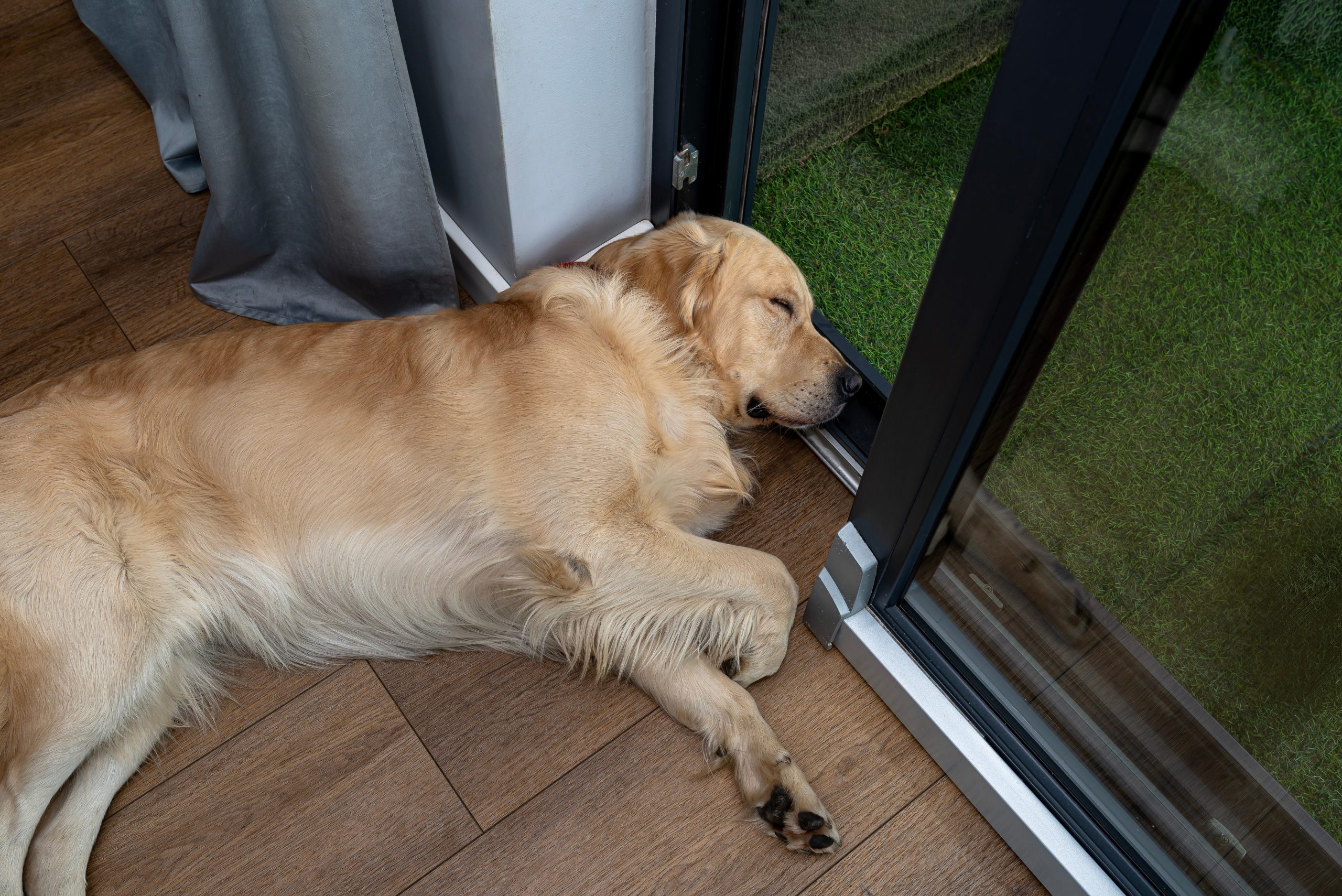
Golden retriever dog sleeping peacefully on house vinyl planks floor near a patio window

Best Flooring Options for Pets and Kids

Pets and children bring energy, activity, and plenty of memorable moments into a home. They can also be hard on flooring.

Spilled drinks, pet accidents, muddy shoes, toys, claws, crumbs, and heavy foot traffic can quickly expose the weaknesses of a flooring material. Families therefore need more than an attractive surface. The floor should also be durable, easy to clean, comfortable, and appropriate for the room.

No flooring is completely scratch-proof or maintenance-free. However, several materials perform especially well in active households. Understanding their advantages can help you choose the best flooring for pets and kids.

What Makes Flooring Family-Friendly?

The right flooring depends on your household, pets, room, and maintenance preferences. Important qualities include:

  • Resistance to scratches, stains, and wear
  • Protection against spills and pet accidents
  • Simple routine cleaning
  • Comfort underfoot
  • Traction for children and pets
  • Noise reduction
  • Compatibility with the room’s moisture level
  • A color and pattern that conceal everyday dirt

A large dog may require stronger scratch resistance, while a home with toddlers may prioritize waterproof performance and softer surfaces. The best choice balances several needs rather than focusing on only one feature.

Luxury Vinyl Plank and Tile

Luxury vinyl plank, or LVP, and luxury vinyl tile, or LVT, are among the most practical flooring options for families.

Many products are manufactured with waterproof or highly water-resistant cores, making them suitable for spills, pet accidents, and muddy footprints. Luxury vinyl is also available in realistic wood, stone, and tile designs.

Benefits for pets and kids

  • Easy to sweep, vacuum, and clean
  • Comfortable compared with ceramic tile
  • Available with durable wear layers
  • Suitable for many kitchens, playrooms, basements, and living areas
  • Wide selection of colors and textures

Waterproof does not mean scratch-proof. Families with large dogs should compare wear layers and surface-protection features. Matte finishes, textured surfaces, and varied grain patterns may also help make small scratches or dirt less noticeable.

Laminate Flooring

Modern laminate flooring can offer strong resistance to scratches, stains, and everyday wear. It may be a good choice for busy living rooms, hallways, and other high-traffic spaces.

Laminate can reproduce the appearance of wood at a more accessible price point than many natural hardwood products.

Benefits for active households

  • Strong surface durability
  • Easy routine maintenance
  • Broad range of styles
  • Good resistance to fading and stains
  • Practical for high-traffic rooms

Moisture performance varies. Some laminate collections offer enhanced water resistance, while others can be damaged when spills or pet accidents remain on the surface. Review the specifications before using laminate in a kitchen, basement, or other moisture-prone area.

Tile Flooring

Porcelain and ceramic tile are durable choices for kitchens, bathrooms, mudrooms, and entryways. Tile can withstand frequent cleaning and generally performs well around moisture.

Benefits for families

  • Excellent resistance to scratches
  • Easy removal of dirt and stains
  • Suitable for wet or humid rooms
  • Long service life when properly installed
  • Available in wood, stone, and patterned designs

Tile can feel cold and hard underfoot. Area rugs or cushioned mats may make play areas and standing zones more comfortable.

Texture is also important. A highly polished tile may provide less traction for running children or older pets. Consider a surface that balances appearance with slip resistance.

Engineered Hardwood

Families who prefer genuine wood may want to consider engineered hardwood. It has a real wood surface combined with a layered core, which can offer greater dimensional stability than some solid hardwood products.

Benefits of engineered hardwood

  • Authentic wood appearance
  • Broad selection of species, colors, and plank sizes
  • Can add warmth and character
  • Suitable for many living rooms, bedrooms, and dining rooms

Wood requires more care than luxury vinyl or tile. Pet claws, toys, grit, and furniture may scratch the finish. Spills and accidents should be cleaned promptly.

A matte or wire-brushed finish may conceal minor wear better than a smooth, glossy surface. Medium wood tones and floors with natural grain variation can also make everyday marks less noticeable.

Carpet

Carpet remains a useful option for bedrooms, family rooms, nurseries, and play areas where comfort and noise reduction are priorities.

Benefits for children and pets

  • Soft surface for sitting and playing
  • Reduced noise from footsteps and toys
  • Added warmth
  • Better traction than many hard surfaces
  • Wide range of colors and textures

Carpet can hold pet hair, dirt, and allergens more easily than hard flooring. Spills and accidents may also require deeper cleaning.

Families should compare stain-resistant fibers, low-pile constructions, and products designed for active households. A dense, lower-pile carpet is often easier to vacuum and less likely to catch pet claws than a loose or heavily looped style.

Which Flooring Is Best for Dogs?

Luxury vinyl and tile are often strong choices for homes with dogs because they combine durability with relatively easy cleaning. Scratch-resistant laminate may also work well in dry rooms.

Consider the dog’s size, activity level, age, and habits. Older dogs may need more traction, while puppies may make waterproof performance a higher priority.

Rugs and runners can improve traction in hallways and other areas where pets frequently run.

Which Flooring Is Best for Young Children?

Homes with young children often benefit from flooring that handles spills and frequent cleaning. Luxury vinyl offers a practical balance of moisture protection, comfort, and durability.

Carpet may be appropriate in bedrooms and playrooms where softness is important. Tile provides excellent durability but may feel less forgiving when children fall.

The best solution may involve using different materials in different rooms rather than selecting one floor for the entire home.

Choosing the Right Color and Finish

Color and finish affect how easily a floor shows dirt, pet hair, and scratches.

Very dark floors may highlight dust and light-colored pet hair. Extremely light floors can show mud and stains. Mid-tone colors, varied patterns, and natural-looking grain often conceal everyday debris more effectively.

Textured and matte finishes may also hide small marks better than glossy surfaces.

Tips for Protecting Family-Friendly Flooring

Whatever material you choose, simple habits can help extend its life:

  • Trim pet nails regularly
  • Clean spills and accidents promptly
  • Sweep or vacuum to remove abrasive grit
  • Place mats at entrances
  • Use protective pads under furniture
  • Add rugs in play areas and busy hallways
  • Follow the manufacturer’s cleaning instructions
  • Avoid steam cleaners unless approved for the product

Frequently Asked Questions

What is the most durable flooring for pets and kids?

Tile, luxury vinyl, and quality laminate are among the most durable options. The best choice depends on the room, moisture exposure, comfort preferences, and household activity.

Is luxury vinyl flooring good for dogs?

Yes. Many luxury vinyl products offer moisture resistance, easy cleaning, and durable surfaces. Choose a product with strong wear protection and enough texture to provide traction.

Is hardwood a good choice for homes with pets?

Hardwood can work in homes with pets, but it may show scratches and requires prompt cleanup of accidents. Matte finishes, textured surfaces, and visible grain can help conceal normal wear.

Is carpet suitable for children and pets?

Carpet provides warmth, comfort, and noise reduction. Families should look for stain-resistant, lower-pile products that are easier to clean and less likely to catch pet claws.

What flooring hides pet hair and dirt best?

Mid-tone flooring with natural color variation usually conceals pet hair, dust, and small marks better than very light, very dark, or glossy flooring.

Find Family-Friendly Flooring at Bode Floors

The best flooring for pets and kids should support the way your family lives. Durability matters, but moisture protection, comfort, maintenance, traction, and design should also guide your decision.

Bode Floors helps homeowners compare luxury vinyl, laminate, tile, carpet, engineered hardwood, and other family-friendly flooring options. The team can recommend products based on your rooms, pets, children, style, and budget.

Visit the Bode Floors showroom or schedule a consultation to find attractive, durable flooring designed for your active household.
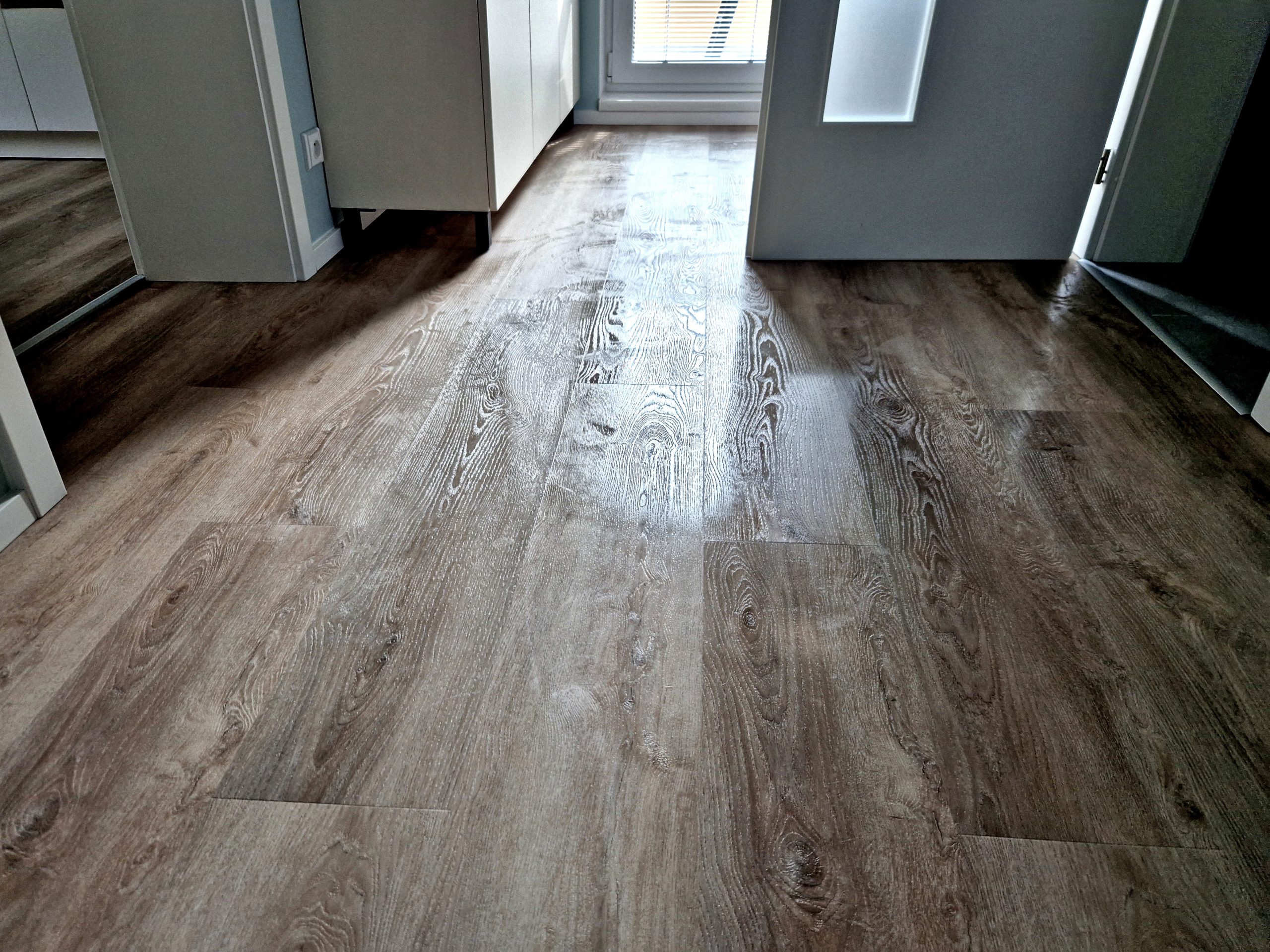
mopping vinyl floors. bucket of water is for soaking a rag or mop. cleaning services. international students require affordable and clean accommodation.

Is Luxury Vinyl Flooring Waterproof? What You Should Know

Spilled drinks, wet shoes, pet accidents, plumbing problems, and household humidity can all expose your floors to moisture. That is one reason luxury vinyl flooring has become a popular option for kitchens, bathrooms, basements, laundry rooms, and other active spaces.

But is luxury vinyl flooring truly waterproof?

Many modern luxury vinyl plank, or LVP, and luxury vinyl tile, or LVT, products are manufactured with waterproof surfaces and cores. However, the level of protection depends on the specific product, installation method, subfloor, and source of the moisture.

Is Luxury Vinyl Flooring Really Waterproof?

Many LVP and LVT products are considered waterproof because the material does not readily absorb water. Everyday spills, splashes, and pet accidents generally will not cause the planks to swell in the same way some wood-based materials can.

However, waterproof flooring does not make the entire room waterproof. Water can still reach the subfloor by traveling:

  • Around the perimeter of the room
  • Beneath baseboards or transitions
  • Through damaged or improperly connected joints
  • Around toilets, tubs, or appliances
  • Beneath the flooring during a major leak

Product quality, subfloor preparation, and professional installation all affect how the finished flooring system handles moisture.

Waterproof vs. Water-Resistant Flooring

Waterproof and water-resistant are not necessarily interchangeable terms.

Waterproof flooring is designed so ordinary water exposure will not damage its surface or core when the product is used and installed according to manufacturer requirements.

Water-resistant flooring can tolerate limited moisture, but it may become damaged if water remains too long or reaches vulnerable parts of the product.

Before purchasing flooring, review the specifications and warranty. Confirm whether the product is approved for bathrooms, basements, or other moisture-prone rooms. You should also determine whether its warranty covers only surface spills or addresses moisture beneath the floor.

How Waterproof Luxury Vinyl Is Constructed

Luxury vinyl typically contains several layers that work together.

Protective wear layer

The clear top layer helps resist stains, scuffs, and everyday wear. Homes with pets, children, or heavy traffic may benefit from a more durable surface.

Printed design layer

This layer creates the appearance of hardwood, stone, or tile. Modern printing and texturing can reproduce realistic grain patterns, knots, and natural variations.

Waterproof or moisture-resistant core

Many rigid-core products use composite materials engineered not to absorb ordinary household spills. Construction varies, so compare the specifications of each product.

Backing or attached pad

Some products include an attached pad for support, sound reduction, or comfort. Others require a separate underlayment approved by the manufacturer.

Where Can Waterproof LVP Be Installed?

A properly selected luxury vinyl product can work in many areas of the home.

Kitchens

LVP can handle common spills, pet bowls, and moisture near sinks or dishwashers. It also provides a wood-look appearance with relatively simple maintenance.

Bathrooms

Many waterproof vinyl products are approved for bathrooms. Correct installation around toilets, tubs, walls, and transitions is essential.

Luxury vinyl should not be installed inside a shower unless the product is specifically approved for that application.

Basements

Waterproof LVP may be a practical alternative to traditional hardwood in a basement. However, it will not correct foundation leaks, drainage issues, excessive humidity, or moisture rising through a concrete slab.

Laundry rooms and mudrooms

Luxury vinyl can tolerate wet clothing, muddy shoes, and occasional splashes. Major appliance leaks still require immediate attention because water may travel beneath the floor.

What Happens If Water Gets Under LVP?

The vinyl itself may resist water, but trapped moisture underneath can still cause problems.

Water beneath the flooring may damage a wood subfloor, affect adhesive, produce odors, or contribute to mold and mildew in surrounding materials.

A small surface spill can usually be wiped up without difficulty. A plumbing leak, appliance failure, or flood should be handled differently. Stop the water source and determine whether moisture reached beneath the flooring.

A waterproof label should not be interpreted to mean that a floor can remain submerged indefinitely.

Why Professional Installation Matters

Even a high-quality product can perform poorly when installed over an unsuitable surface or without following manufacturer instructions.

Professional installation may include:

  • Inspecting the subfloor for damage or uneven areas
  • Testing concrete or wood subfloors for moisture
  • Selecting the correct installation method
  • Leaving proper expansion space
  • Installing transitions correctly
  • Fully connecting click-lock joints

Subfloor preparation is especially important. Uneven surfaces can place stress on locking systems, while existing moisture can affect both the flooring and the materials underneath it.

Other Benefits of Luxury Vinyl Flooring

Waterproof performance is only one advantage of LVP and LVT.

Luxury vinyl is available in a wide range of wood, stone, and tile designs. It is generally easy to clean and can feel softer and warmer than ceramic tile.

Many products are also designed for active households and offer protection against common stains, scuffs, and wear.

Waterproof does not mean scratch-proof, however. Homeowners with large pets, heavy furniture, or high-traffic rooms should compare wear layers and surface-protection features.

How to Choose the Right Waterproof Flooring

Consider these factors when comparing luxury vinyl:

  • Room traffic
  • Exposure to spills or humidity
  • Subfloor type and condition
  • Scratch and stain resistance
  • Installation requirements
  • Warranty coverage
  • Preferred color, plank width, and texture

A flooring specialist can help you compare products based on your lifestyle, design goals, maintenance preferences, and budget.

How to Care for Waterproof LVP

To protect the floor’s appearance:

  • Clean spills promptly
  • Sweep or vacuum regularly
  • Use a manufacturer-approved cleaner
  • Place mats near exterior doors
  • Use protective pads beneath furniture
  • Avoid abrasive tools and harsh chemicals
  • Do not use a steam mop unless specifically permitted

Always follow the care instructions for the exact product installed.

Frequently Asked Questions About Waterproof Luxury Vinyl Flooring

Is every luxury vinyl floor waterproof?

No. Many luxury vinyl plank and luxury vinyl tile products are waterproof, but others may only be water-resistant. Always review the manufacturer’s specifications and warranty before choosing a product.

Can waterproof LVP be installed in a bathroom?

Many waterproof LVP products are suitable for bathrooms when they are installed correctly. Confirm that the specific flooring is approved for bathroom use and follow all manufacturer requirements around toilets, tubs, walls, and transitions.

Is waterproof vinyl suitable for basements?

Yes, waterproof vinyl can be a practical basement flooring option. However, active leaks, drainage problems, excessive humidity, and subfloor moisture should be corrected before installation.

Does waterproof mean flood-proof?

Not always. Waterproof flooring is designed to resist ordinary spills and moisture, but flood coverage varies by manufacturer and product. Review the warranty carefully to understand what is and is not covered.

Explore Waterproof Flooring with Bode Floors

Luxury vinyl can be an attractive and practical choice for busy homes, but selecting the right product and installation method is essential.

Bode Floors helps homeowners compare LVP, LVT, and other waterproof flooring options based on the room, household, budget, and design goals.

Visit the Bode Floors showroom or schedule a consultation to explore waterproof flooring and professional installation options for your home.


How to Choose the Best Flooring for Each Room in Your Home

How to Choose the Best Flooring for Each Room in Your Home

Choosing the right flooring for your home is about more than just appearance. Different rooms experience different levels of foot traffic, moisture, and daily wear, which means the best flooring for one space may not work well in another. By selecting the right material for each room, homeowners can improve durability, comfort, and the overall value of their home.

Popular options today include hardwood flooring, vinyl flooring, carpet flooring, and various forms of waterproof flooring. Each material offers unique benefits depending on where it is installed. For example, vinyl plank flooring works well in moisture-prone areas like kitchens and basements, while carpet flooring provides comfort and warmth in bedrooms.

In this guide, we’ll break down the best flooring choices for every major room in your home, including kitchens, bathrooms, living rooms, bedrooms, and basements.

Wooden Floor Services in Columbia, MD

Key Factors to Consider When Choosing Flooring

Before selecting flooring materials, it’s important to think about how each room in your home is used. A few key factors can help determine which flooring option will perform best.

Moisture and Water Resistance

Moisture is one of the biggest threats to flooring. Areas such as bathrooms, kitchens, and basements are exposed to water and humidity on a regular basis. In these spaces, waterproof flooring options like vinyl plank flooring or vinyl tile flooring are often the best choice because they resist water damage and are easy to maintain.

Foot Traffic and Durability

Rooms with heavy foot traffic, such as entryways and living rooms, need flooring that can withstand daily wear. Hardwood flooring is a durable option that holds up well over time, especially when properly maintained. If hardwood begins to show signs of wear, it can often be renewed through hardwood restoration.

Comfort and Noise Reduction

Comfort is another important factor, especially in bedrooms or family areas. Carpet flooring provides a soft surface underfoot and helps reduce noise between floors.

Maintenance and Longevity

Some flooring materials require more upkeep than others. Hardwood floors may occasionally need refinishing or hardwood restoration, while vinyl flooring generally requires simple cleaning and minimal maintenance.

Best Flooring for Living Rooms

Living rooms are often the center of activity in a home. Because they receive regular foot traffic and serve as gathering spaces, durability and appearance are both important considerations.

Hardwood Flooring

Hardwood flooring remains one of the most popular options for living rooms. Its natural beauty and classic appearance complement a wide variety of interior styles, and it can increase a home’s resale value.

Another advantage of hardwood floors is longevity. When signs of wear appear, homeowners can restore the surface through hardwood restoration, which refreshes the finish and helps the floor last for decades.

Vinyl Plank Flooring

For homeowners looking for a lower-maintenance alternative, vinyl plank flooring is a great option. Modern vinyl planks are designed to mimic the look of real wood while offering improved scratch resistance and durability.

Best Flooring for Kitchens

Kitchens are high-traffic spaces where spills, moisture, and dropped items are common. Flooring in this room needs to be durable, easy to clean, and resistant to water damage.

Vinyl Flooring

Vinyl flooring is a popular choice for kitchens because it is highly durable and easy to maintain. It handles spills well and is comfortable to walk on during long cooking sessions.

Vinyl Tile Flooring

For homeowners who prefer the appearance of tile, vinyl tile flooring offers a similar look without the maintenance challenges of grout lines. It also provides better water resistance than many traditional flooring options.

Waterproof Flooring

Many modern vinyl products fall under the category of waterproof flooring, making them ideal for kitchens where moisture exposure is common.

Best Flooring for Bathrooms

Bathrooms experience constant humidity and frequent water exposure, so waterproof materials are essential.

Waterproof Flooring

Installing waterproof flooring helps protect the subfloor from moisture damage and prevents long-term structural problems.

Vinyl Tile Flooring

Vinyl tile flooring is one of the most practical options for bathrooms. It provides the appearance of ceramic tile while offering easier maintenance and improved water resistance.

Vinyl Flooring

Traditional vinyl flooring also works well in bathrooms due to its durability and ability to handle moisture without warping or cracking.

Best Flooring for Bedrooms

Bedrooms prioritize comfort, warmth, and quiet. Flooring in these rooms should create a relaxing environment while still being practical for everyday use.

Carpet Flooring

Carpet flooring remains a favorite for bedrooms because it provides softness underfoot and helps absorb sound. It also helps maintain warmth during colder months.

Hardwood Flooring

Some homeowners prefer hardwood flooring in bedrooms for its clean, natural appearance and ease of cleaning. Hardwood floors can also improve indoor air quality by reducing dust and allergens compared to carpet.

Area rugs can be added to hardwood floors to provide extra comfort while still maintaining the aesthetic appeal of natural wood.

Best Flooring for Basements

Basements often present unique challenges due to humidity and potential moisture issues. Flooring materials in this area must be able to handle damp conditions.

Vinyl Plank Flooring

Vinyl plank flooring is one of the best options for finished basements because it is resistant to moisture and durable enough to handle regular use. It also provides the look of hardwood flooring without the risk of water damage.

Waterproof Flooring

Installing waterproof flooring in a basement helps protect against leaks, humidity, and temperature fluctuations, making it a reliable long-term solution.

Durable Vinyl Flooring in Columbia, MD

When to Consider Carpet Removal

Over time, carpet can become worn, stained, or outdated. In these cases, carpet removal may be the first step toward upgrading your home’s flooring.

Removing old carpet can improve indoor air quality, eliminate trapped allergens, and create opportunities to install more durable flooring options such as hardwood flooring or vinyl flooring.

Many homeowners choose to replace carpet with hardwood in living areas or install vinyl plank flooring in high-traffic spaces for improved durability and easier maintenance.

Restoring Hardwood Floors Instead of Replacing Them

If your home already has hardwood floors, replacement may not be necessary. In many cases, hardwood restoration can bring older floors back to life.

Restoration involves sanding the surface, repairing minor imperfections, and applying a new protective finish. This process can eliminate scratches, discoloration, and worn finishes, making the floor look nearly new again.

Choosing hardwood restoration instead of replacement can save homeowners money while preserving the natural character of their floors.

Flooring Comparison by Room

Here is a quick overview of the best flooring options for each major room in your home:

Room Recommended Flooring Why It Works
Living Room Hardwood Flooring Durable and adds long-term value
Kitchen Vinyl Flooring Resistant to spills and easy to clean
Bathroom Vinyl Tile Flooring Waterproof and low maintenance
Bedroom Carpet Flooring Soft, comfortable, and quiet
Basement Vinyl Plank Flooring Moisture resistant and durable

Get Professional Flooring Advice from Bode Floors

Choosing the right flooring for each room can make a significant difference in both the functionality and value of your home. Whether you’re planning a renovation or replacing outdated materials, working with experienced flooring professionals can help ensure the best results.

At Bode Floors, our team specializes in a wide range of flooring services, including:

  • Hardwood flooring installation
  • Hardwood restoration
  • Carpet removal
  • Vinyl plank flooring installation
  • Vinyl tile flooring installation
  • Waterproof flooring solutions

If you’re considering new flooring or upgrading your current floors, professional guidance can help you select the best materials for every room in your home.

Contact us today to schedule a consultation and explore the flooring options that fit your home, style, and budget.

Hardwood vs. Luxury Vinyl Flooring: Which Is Better for Your Home?

Hardwood vs. Luxury Vinyl Flooring: Which Is Better for Your Home?

Choosing new floors is one of the biggest design and investment decisions homeowners face. The debate between Hardwood Flooring and Vinyl Flooring continues to grow as both options rise in popularity. While hardwood has long been considered the gold standard for beauty and resale value, modern Vinyl Plank Flooring has quickly gained traction for its affordability, durability, and waterproof performance.

So, which is better for your home?

The answer depends on several factors: your budget, lifestyle, maintenance expectations, and long-term goals. Do you want a floor that can be refinished for decades? Or do you need something waterproof and worry-free for busy areas? Understanding the differences in durability, cost, and upkeep will help you make the right choice.

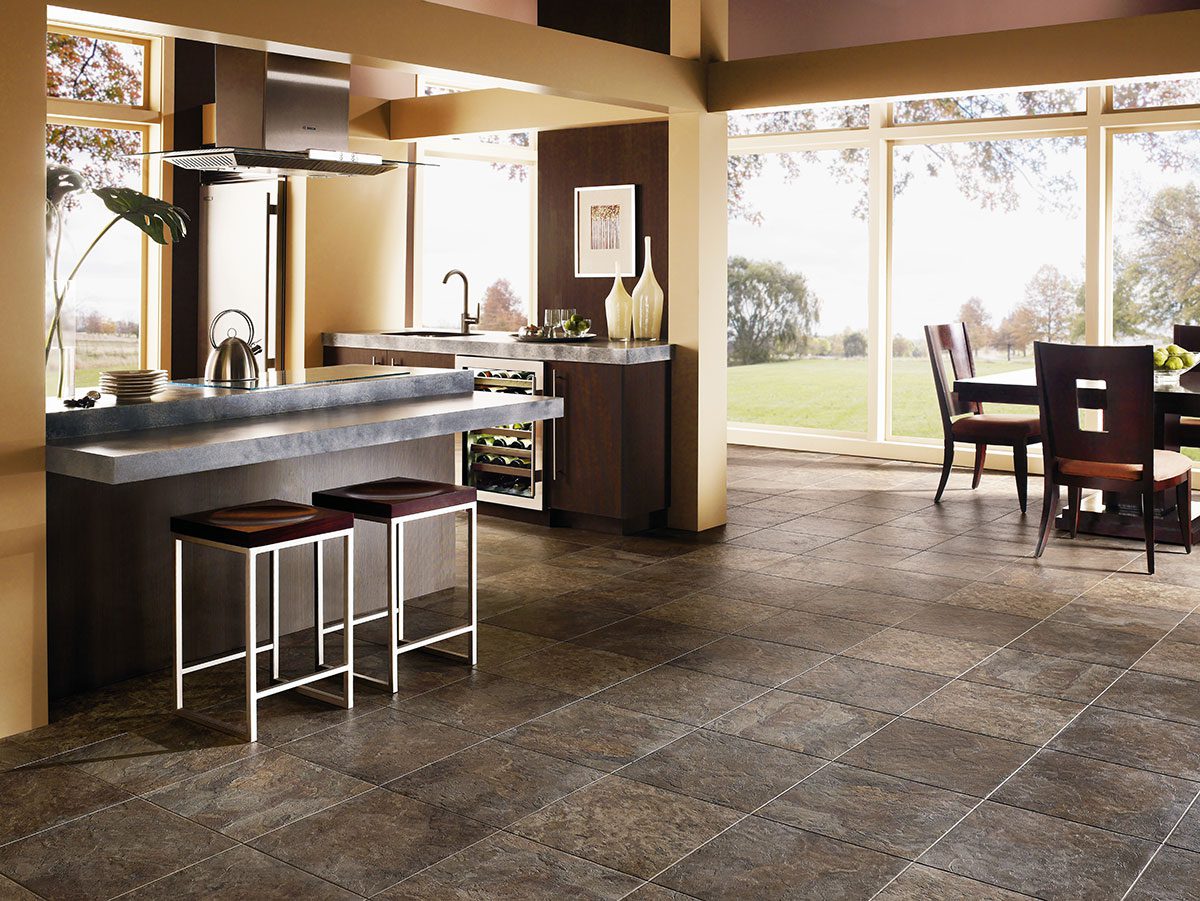
Kitchen Vinyl Tile Flooring in Columbia, MD

What Is Hardwood Flooring?

Hardwood Flooring is made from real wood, offering natural grain patterns, warmth, and timeless appeal that never goes out of style.

Types of Hardwood Flooring
Solid vs. Engineered Hardwood

  • Solid Hardwood is made from a single piece of wood and can be sanded and refinished multiple times.
  • Engineered Hardwood consists of a real wood veneer layered over plywood, offering improved stability in humid environments.

Both options provide the beauty of real wood, but engineered hardwood performs better in areas with temperature fluctuations.

Popular Wood Species
Common hardwood species include:

  • Oak
  • Maple
  • Hickory
  • Walnut
  • White Oak

Each species varies in hardness, grain pattern, and color tone.

Finish Options
Homeowners can choose from:

  • Site-finished (custom stain and sheen)
  • Prefinished (factory-applied durability)
  • Matte, satin, semi-gloss, or high-gloss finishes

Benefits of Hardwood Flooring

Timeless Appearance
Nothing matches the authentic depth and character of real wood.

Adds Resale Value
Homes with Hardwood Flooring consistently attract buyers and often sell at higher prices.

Refinishable
Unlike vinyl, hardwood can undergo Hardwood Floor Refinishing multiple times to remove scratches and restore its beauty.

Long Lifespan
With proper care and occasional refinishing, hardwood floors can last 50+ years.

The Role of Hardwood Floor Refinishing & Restoration

One major advantage of Hardwood Flooring is that it doesn’t always need replacement when it shows wear.

What Is Hardwood Floor Refinishing?
Hardwood Floor Refinishing involves sanding down the surface layer, repairing minor imperfections, and applying a new stain and protective finish. This process restores floors to like-new condition without full replacement.

When Is Hardwood Restoration Needed?
Hardwood Restoration may be required if floors have:

  • Deep scratches or gouges
  • Water damage
  • Dull or worn finish
  • Uneven discoloration

In many cases, restoration costs significantly less than replacing your floors entirely. Instead of installing new vinyl, homeowners can often save thousands by choosing professional refinishing or restoration services.

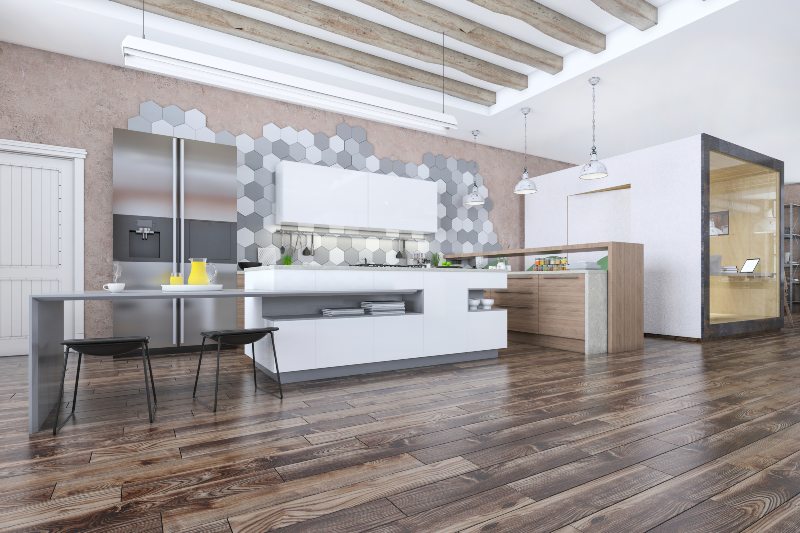
Kitchen Flooring in Columbia, MD, by Bode Floors

What Is Luxury Vinyl Flooring (LVP & LVT)?

Vinyl Flooring is a synthetic flooring product designed to mimic the look of wood or stone while offering increased moisture resistance and affordability.

Vinyl Plank Flooring (LVP)
Vinyl Plank Flooring is designed to replicate hardwood planks.

Key Benefits:

  • Realistic wood-look visuals
  • Waterproof core options
  • Softer underfoot
  • Ideal for kitchens, bathrooms, and basements

LVP is one of the fastest-growing flooring categories due to its ability to handle moisture and heavy traffic.

Vinyl Tile Flooring (LVT)
Vinyl Tile Flooring mimics stone, ceramic, or porcelain tile.

Advantages:

  • Durable and scratch-resistant
  • Wide range of styles
  • Lower cost than natural stone
  • Comfortable compared to ceramic tile

Benefits of Vinyl Flooring

  • Lower upfront cost
  • Excellent moisture resistance
  • Easy installation (floating or click-lock systems)
  • Low maintenance requirements

Durability Comparison: Hardwood vs. Vinyl Flooring

Scratch Resistance
Vinyl Flooring typically resists scratches better, making it ideal for pets and children.

Water Resistance
Vinyl Plank Flooring offers superior waterproof protection. Hardwood can be damaged by standing water.

Lifespan

  • Hardwood Flooring: 30–50+ years (with refinishing)
  • Vinyl Flooring: 10–25 years before replacement

Refinishing Capability
Hardwood can undergo Hardwood Floor Refinishing multiple times. Vinyl cannot be refinished — once worn, it must be replaced.

Best for High-Traffic Homes?

  • Active families: Vinyl
  • Long-term homeowners seeking durability and restoration options: Hardwood

Installation, Maintenance & Long-Term Value

Material Pricing

Hardwood Flooring: Higher material cost

Vinyl Flooring: More budget-friendly

Labor
Hardwood requires professional installation and finishing. Vinyl often has lower labor costs and can sometimes be installed as a DIY project.

Long-Term Investment Value

  • Refinishing vs. Replacing
    Hardwood Floor Refinishing is typically far less expensive than replacing floors. Vinyl must be fully replaced once worn.
  • Resale Value
    Hardwood Flooring adds significant resale appeal. Vinyl improves functionality but may not increase home value to the same degree.

Replacement Cycle
Vinyl Flooring generally requires replacement every 15–25 years, depending on wear.

Maintenance & Care Requirements

Hardwood Maintenance
Regular sweeping and gentle cleaning

Avoid excess moisture

Recoat or refinish every 7–10 years

Signs you need Hardwood Restoration: deep scratches, fading, water damage

Vinyl Maintenance
Simple sweeping and mopping

Tolerates moisture well

No refinishing option

Replacement required once wear layer deteriorates

Both require routine care, but hardwood offers restoration flexibility.

When to Choose Hardwood Restoration Over Replacement

If your floors have surface scratches, dullness, or minor wear—but no major structural damage—hardwood restoration is often a better choice than replacement. Hardwood floor refinishing can remove imperfections and restore beauty at a fraction of the cost of installing new flooring, while also reducing waste and preserving your home’s original character. Before replacing your floors, consider professional hardwood floor refinishing or hardwood restoration services to bring them back to life.

Final Verdict: Hardwood or Luxury Vinyl Flooring?

When comparing, both offer distinct advantages. Hardwood delivers timeless beauty, strong resale value, and the ability to be restored through refinishing, making it a long-term investment that can last for decades. The “best” option ultimately depends on your budget, the specific location of installation, and your long-term goals for the home. High-moisture areas may benefit from vinyl, while main living spaces often shine with hardwood’s natural appeal. Consulting with a flooring professional can help you evaluate your space, lifestyle needs, and investment priorities to make the most informed decision.

Get Expert Flooring Advice from Bode Floors

Choosing the right flooring is easier when you have experienced professionals on your side. At Bode Floors, we provide professional guidance and precision craftsmanship for every project, whether you need new hardwood flooring installation, hardwood floor refinishing, detailed hardwood restoration, or modern vinyl plank flooring and vinyl tile flooring installation. Our team works closely with you to understand your home, lifestyle, and budget to deliver beautiful, long-lasting results. Ready to transform your space? Schedule your consultation today for a free estimate or contact Bode Floors to speak with a flooring specialist and get started.

Flooring Trends for 2026: What Homeowners Need to Know

Why Flooring Trends Matter in 2026

Flooring trends play a meaningful role in shaping a home’s overall value, durability, and long-term satisfaction. The right flooring choice can boost resale appeal, stand up to everyday wear with minimal maintenance, and continue to feel stylish and functional for years to come. Today’s homeowners are increasingly drawn to low-maintenance materials that simplify upkeep, sustainable options that support environmentally conscious living, and warm, natural design aesthetics that create inviting, timeless spaces. With expert guidance and a curated selection, Bode Floors helps homeowners navigate these trends to choose flooring that feels current while remaining classic and enduring.

#1: Luxury Vinyl Continues to Dominate

Luxury vinyl plank (LVP) continues to dominate as a top flooring choice thanks to its unbeatable combination of performance, style, and value. Homeowners are drawn to LVP because it is fully waterproof and moisture-resistant, making it ideal for kitchens, bathrooms, and basements, while its exceptional durability stands up to the demands of kids and pets. It also offers a more affordable alternative to hardwood without sacrificing a high-end look. Looking ahead to 2026, LVP design trends are evolving with wider and longer planks, ultra-realistic wood and stone visuals, and matte, low-sheen finishes that create a more natural, sophisticated appearance.

#2: Natural & Sustainable Flooring Materials

2026 highlights the growing demand for natural and sustainable flooring materials, as more health-conscious homeowners prioritize eco-friendly living. Searches for sustainable flooring and low-VOC materials continue to rise, reflecting increased awareness of indoor air quality and environmental impact. Popular sustainable options include engineered hardwood, cork flooring, bamboo flooring, and recyclable vinyl alternatives that balance durability with responsible sourcing. To ensure the best results, professional guidance plays a key role in helping homeowners select the right materials for their space, lifestyle, and long-term performance needs.

#3: Warm Wood Tones Are Back

New trends signal a clear shift in interior design: warm wood tones are back. As homeowners move away from cool gray palettes and the once-dominant gray flooring continues to decline in popularity, warmer, more natural wood tones are taking center stage. These hues add depth, character, and a sense of authenticity that many modern spaces were missing. Looking ahead to 2026, the most popular wood colors include honey oak, natural maple, medium walnut, and light European oak—each offering warmth while still feeling fresh and contemporary. Design tip: incorporating warm wood tones not only creates a more comfortable and inviting atmosphere, but it can also enhance resale appeal by making spaces feel timeless, livable, and broadly appealing to future buyers.

#4: Textured & Matte Finishes

Textured & Matte Finishes continue to gain popularity as homeowners seek flooring that feels as good as it looks. Texture is trending because it adds depth and realism, creating a more authentic, natural appearance while also offering practical benefits—textured surfaces better hide scratches, scuffs, and everyday wear. Popular styles include wire-brushed hardwood, hand-scraped looks, and embossed-in-register luxury vinyl plank (LVP), all of which enhance visual interest without sacrificing performance. This trend strongly aligns with user intent by addressing durability needs and pet-friendly concerns, making it an ideal choice for busy, lived-in spaces.

#5: Seamless Flooring for Open-Concept Homes

Focuses on seamless flooring for open-concept homes. Homeowners are choosing the same flooring throughout their main living areas to create a natural flow and strong visual consistency from room to room. This cohesive approach not only makes spaces feel larger and more connected, but it also simplifies design decisions. The best materials for seamless installations include luxury vinyl plank, engineered hardwood, and tile-look vinyl, all of which offer durability, style, and flexibility for modern layouts. For homeowners considering this approach, professional flooring installation plays a key role in achieving a flawless, unified finish.

#6: Low-Maintenance Flooring Takes Priority

This year highlights a growing demand for low-maintenance flooring as homeowners increasingly look for “set it and forget it” solutions that fit busy lifestyles. Easy cleaning, strong scratch resistance, and reliable moisture protection are now must-have features rather than nice-to-haves. As a result, materials like luxury vinyl plank (LVP), laminate, and engineered hardwood are emerging as top choices because they balance durability with everyday convenience. To maximize the long-term performance of these floors, professional installation plays a key role—ensuring proper subfloor preparation, tight seams, and correct installation techniques that help the flooring look better and last longer over time.

How to Choose a Trend That Will Last

When choosing a flooring trend that will stand the test of time, it’s important to avoid common trend traps such as overly bold patterns, ultra-dark finishes, and niche materials that may have limited longevity. Flooring professionals recommend striking a balance between what’s currently popular and what remains timeless, ensuring your choice won’t feel dated in just a few years. Equally important is selecting flooring that suits your lifestyle—not just your design preferences—so it performs well in everyday use. Finally, no matter the trend, investing in high-quality installation is essential to ensure durability, performance, and long-term satisfaction.

Why Work with a Professional Flooring Company

Working with a professional flooring company ensures a smoother, higher-quality experience from start to finish. With access to better materials that aren’t always available to the public, professionals can deliver superior durability and performance. Proper subfloor preparation is handled with expert care, helping prevent future issues and extending the life of your floors. You also gain peace of mind through warranty protection on both materials and installation. Beyond the technical benefits, a professional team offers design guidance tailored to your home, style, and lifestyle needs. With Bode Floors, you’re partnering with trusted local experts who combine craftsmanship, knowledge, and personalized service to get the job done right.

Plan Your 2026 Flooring Upgrade with Confidence

As you look ahead to 2026, planning your flooring upgrade with confidence starts by understanding the trends shaping the year. Luxury vinyl plank (LVP) continues to dominate thanks to its durability and versatility, while warm wood tones are making homes feel more inviting and timeless. Homeowners are also prioritizing sustainable materials and low-maintenance designs that balance style with everyday practicality. With these trends in mind, planning early in the year can help you secure the best options and timelines for your project.

Schedule a free flooring consultation with Bode Floors to explore the best flooring options for your home in 2026.