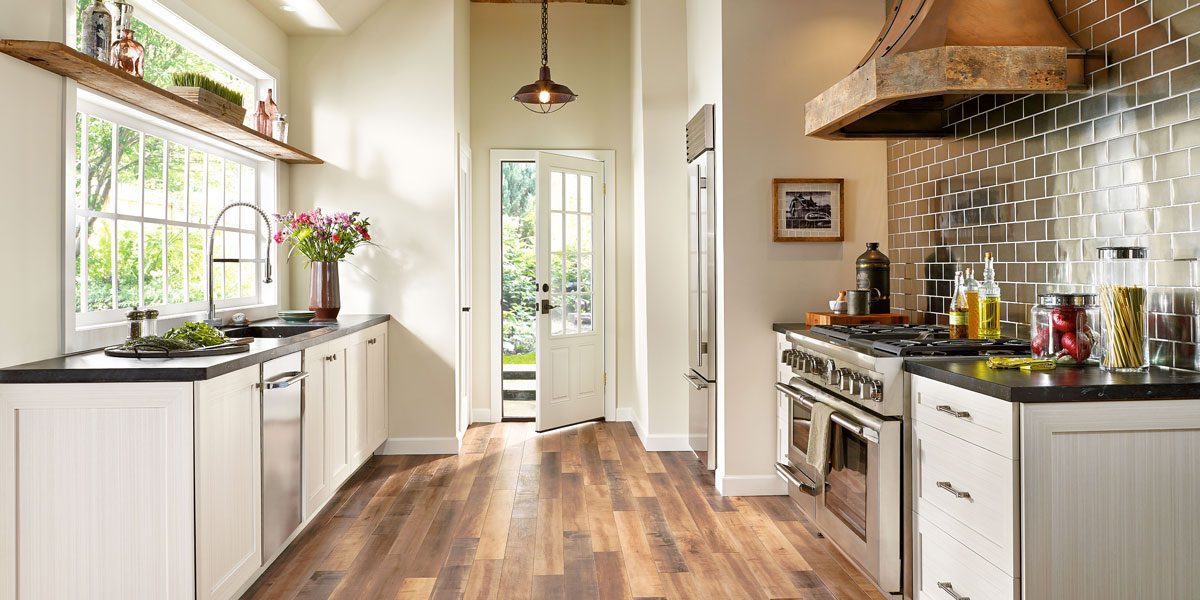
Hardwood vs. Luxury Vinyl Flooring: Which Is Better for Your Home?
Hardwood vs. Luxury Vinyl Flooring: Which Is Better for Your Home?
Choosing new floors is one of the biggest design and investment decisions homeowners face. The debate between Hardwood Flooring and Vinyl Flooring continues to grow as both options rise in popularity. While hardwood has long been considered the gold standard for beauty and resale value, modern Vinyl Plank Flooring has quickly gained traction for its affordability, durability, and waterproof performance.
So, which is better for your home?
The answer depends on several factors: your budget, lifestyle, maintenance expectations, and long-term goals. Do you want a floor that can be refinished for decades? Or do you need something waterproof and worry-free for busy areas? Understanding the differences in durability, cost, and upkeep will help you make the right choice.
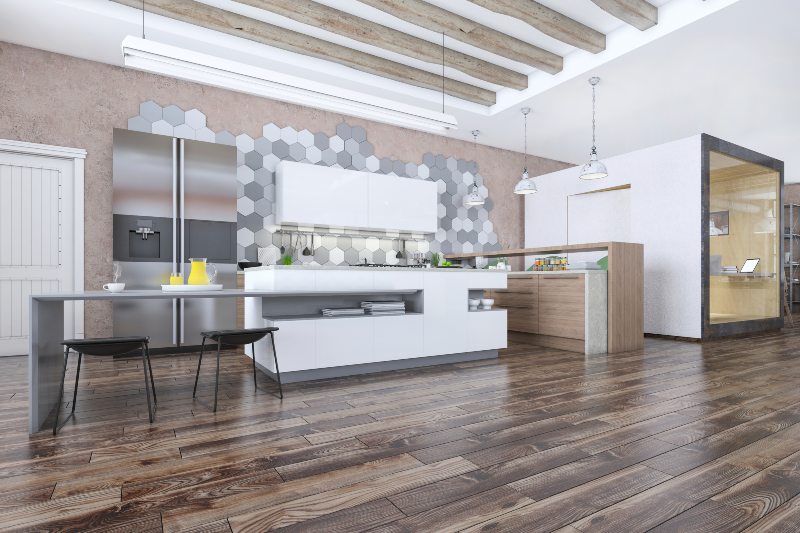
What Is Hardwood Flooring?
Hardwood Flooring is made from real wood, offering natural grain patterns, warmth, and timeless appeal that never goes out of style.
Types of Hardwood Flooring
Solid vs. Engineered Hardwood
- Solid Hardwood is made from a single piece of wood and can be sanded and refinished multiple times.
- Engineered Hardwood consists of a real wood veneer layered over plywood, offering improved stability in humid environments.
Both options provide the beauty of real wood, but engineered hardwood performs better in areas with temperature fluctuations.
Popular Wood Species
Common hardwood species include:
- Oak
- Maple
- Hickory
- Walnut
- White Oak
Each species varies in hardness, grain pattern, and color tone.
Finish Options
Homeowners can choose from:
- Site-finished (custom stain and sheen)
- Prefinished (factory-applied durability)
- Matte, satin, semi-gloss, or high-gloss finishes
Benefits of Hardwood Flooring
Timeless Appearance
Nothing matches the authentic depth and character of real wood.
Adds Resale Value
Homes with Hardwood Flooring consistently attract buyers and often sell at higher prices.
Refinishable
Unlike vinyl, hardwood can undergo Hardwood Floor Refinishing multiple times to remove scratches and restore its beauty.
Long Lifespan
With proper care and occasional refinishing, hardwood floors can last 50+ years.
The Role of Hardwood Floor Refinishing & Restoration
One major advantage of Hardwood Flooring is that it doesn’t always need replacement when it shows wear.
What Is Hardwood Floor Refinishing?
Hardwood Floor Refinishing involves sanding down the surface layer, repairing minor imperfections, and applying a new stain and protective finish. This process restores floors to like-new condition without full replacement.
When Is Hardwood Restoration Needed?
Hardwood Restoration may be required if floors have:
- Deep scratches or gouges
- Water damage
- Dull or worn finish
- Uneven discoloration
In many cases, restoration costs significantly less than replacing your floors entirely. Instead of installing new vinyl, homeowners can often save thousands by choosing professional refinishing or restoration services.
What Is Luxury Vinyl Flooring (LVP & LVT)?
Vinyl Flooring is a synthetic flooring product designed to mimic the look of wood or stone while offering increased moisture resistance and affordability.
Vinyl Plank Flooring (LVP)
Vinyl Plank Flooring is designed to replicate hardwood planks.
Key Benefits:
- Realistic wood-look visuals
- Waterproof core options
- Softer underfoot
- Ideal for kitchens, bathrooms, and basements
LVP is one of the fastest-growing flooring categories due to its ability to handle moisture and heavy traffic.
Vinyl Tile Flooring (LVT)
Vinyl Tile Flooring mimics stone, ceramic, or porcelain tile.
Advantages:
- Durable and scratch-resistant
- Wide range of styles
- Lower cost than natural stone
- Comfortable compared to ceramic tile
Benefits of Vinyl Flooring
- Lower upfront cost
- Excellent moisture resistance
- Easy installation (floating or click-lock systems)
- Low maintenance requirements
Durability Comparison: Hardwood vs. Vinyl Flooring
Scratch Resistance
Vinyl Flooring typically resists scratches better, making it ideal for pets and children.
Water Resistance
Vinyl Plank Flooring offers superior waterproof protection. Hardwood can be damaged by standing water.
Lifespan
- Hardwood Flooring: 30–50+ years (with refinishing)
- Vinyl Flooring: 10–25 years before replacement
Refinishing Capability
Hardwood can undergo Hardwood Floor Refinishing multiple times. Vinyl cannot be refinished — once worn, it must be replaced.
Best for High-Traffic Homes?
- Active families: Vinyl
- Long-term homeowners seeking durability and restoration options: Hardwood
Installation, Maintenance & Long-Term Value
Material Pricing
Hardwood Flooring: Higher material cost
Vinyl Flooring: More budget-friendly
Labor
Hardwood requires professional installation and finishing. Vinyl often has lower labor costs and can sometimes be installed as a DIY project.
Long-Term Investment Value
- Refinishing vs. Replacing
Hardwood Floor Refinishing is typically far less expensive than replacing floors. Vinyl must be fully replaced once worn.
- Resale Value
Hardwood Flooring adds significant resale appeal. Vinyl improves functionality but may not increase home value to the same degree.
Replacement Cycle
Vinyl Flooring generally requires replacement every 15–25 years, depending on wear.
Maintenance & Care Requirements
Hardwood Maintenance
Regular sweeping and gentle cleaning
Avoid excess moisture
Recoat or refinish every 7–10 years
Signs you need Hardwood Restoration: deep scratches, fading, water damage
Vinyl Maintenance
Simple sweeping and mopping
Tolerates moisture well
No refinishing option
Replacement required once wear layer deteriorates
Both require routine care, but hardwood offers restoration flexibility.
When to Choose Hardwood Restoration Over Replacement
If your floors have surface scratches, dullness, or minor wear—but no major structural damage—hardwood restoration is often a better choice than replacement. Hardwood floor refinishing can remove imperfections and restore beauty at a fraction of the cost of installing new flooring, while also reducing waste and preserving your home’s original character. Before replacing your floors, consider professional hardwood floor refinishing or hardwood restoration services to bring them back to life.
Final Verdict: Hardwood or Luxury Vinyl Flooring?
When comparing, both offer distinct advantages. Hardwood delivers timeless beauty, strong resale value, and the ability to be restored through refinishing, making it a long-term investment that can last for decades. The “best” option ultimately depends on your budget, the specific location of installation, and your long-term goals for the home. High-moisture areas may benefit from vinyl, while main living spaces often shine with hardwood’s natural appeal. Consulting with a flooring professional can help you evaluate your space, lifestyle needs, and investment priorities to make the most informed decision.
Get Expert Flooring Advice from Bode Floors
Choosing the right flooring is easier when you have experienced professionals on your side. At Bode Floors, we provide professional guidance and precision craftsmanship for every project, whether you need new hardwood flooring installation, hardwood floor refinishing, detailed hardwood restoration, or modern vinyl plank flooring and vinyl tile flooring installation. Our team works closely with you to understand your home, lifestyle, and budget to deliver beautiful, long-lasting results. Ready to transform your space? Schedule your consultation today for a free estimate or contact Bode Floors to speak with a flooring specialist and get started.
By le-seo | March 5th, 2026