How to Choose the Best Flooring for Each Room in Your Home
How to Choose the Best Flooring for Each Room in Your Home
Choosing the right flooring for your home is about more than just appearance. Different rooms experience different levels of foot traffic, moisture, and daily wear, which means the best flooring for one space may not work well in another. By selecting the right material for each room, homeowners can improve durability, comfort, and the overall value of their home.
Popular options today include hardwood flooring, vinyl flooring, carpet flooring, and various forms of waterproof flooring. Each material offers unique benefits depending on where it is installed. For example, vinyl plank flooring works well in moisture-prone areas like kitchens and basements, while carpet flooring provides comfort and warmth in bedrooms.
In this guide, we’ll break down the best flooring choices for every major room in your home, including kitchens, bathrooms, living rooms, bedrooms, and basements.

Key Factors to Consider When Choosing Flooring
Before selecting flooring materials, it’s important to think about how each room in your home is used. A few key factors can help determine which flooring option will perform best.
Moisture and Water Resistance
Moisture is one of the biggest threats to flooring. Areas such as bathrooms, kitchens, and basements are exposed to water and humidity on a regular basis. In these spaces, waterproof flooring options like vinyl plank flooring or vinyl tile flooring are often the best choice because they resist water damage and are easy to maintain.
Foot Traffic and Durability
Rooms with heavy foot traffic, such as entryways and living rooms, need flooring that can withstand daily wear. Hardwood flooring is a durable option that holds up well over time, especially when properly maintained. If hardwood begins to show signs of wear, it can often be renewed through hardwood restoration.
Comfort and Noise Reduction
Comfort is another important factor, especially in bedrooms or family areas. Carpet flooring provides a soft surface underfoot and helps reduce noise between floors.
Maintenance and Longevity
Some flooring materials require more upkeep than others. Hardwood floors may occasionally need refinishing or hardwood restoration, while vinyl flooring generally requires simple cleaning and minimal maintenance.
Best Flooring for Living Rooms
Living rooms are often the center of activity in a home. Because they receive regular foot traffic and serve as gathering spaces, durability and appearance are both important considerations.
Hardwood Flooring
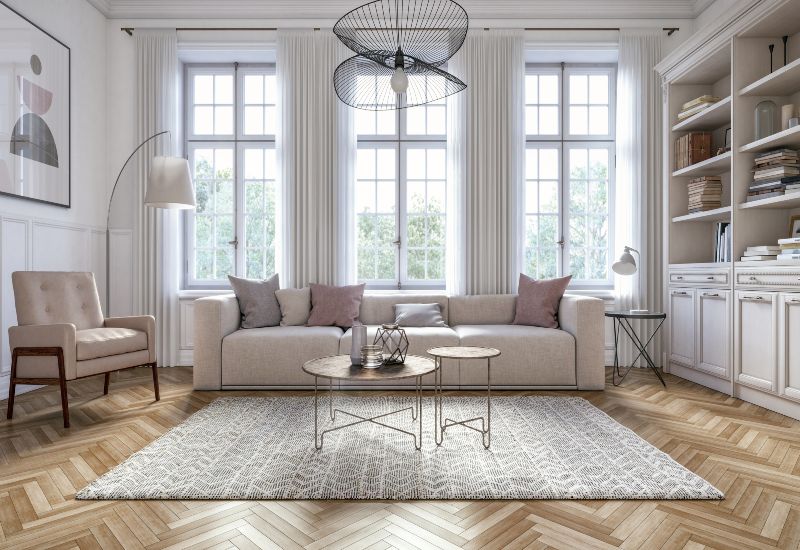
Hardwood flooring remains one of the most popular options for living rooms. Its natural beauty and classic appearance complement a wide variety of interior styles, and it can increase a home’s resale value.
Another advantage of hardwood floors is longevity. When signs of wear appear, homeowners can restore the surface through hardwood restoration, which refreshes the finish and helps the floor last for decades.
Vinyl Plank Flooring
For homeowners looking for a lower-maintenance alternative, vinyl plank flooring is a great option. Modern vinyl planks are designed to mimic the look of real wood while offering improved scratch resistance and durability.
Best Flooring for Kitchens
Kitchens are high-traffic spaces where spills, moisture, and dropped items are common. Flooring in this room needs to be durable, easy to clean, and resistant to water damage.
Vinyl Flooring
Vinyl flooring is a popular choice for kitchens because it is highly durable and easy to maintain. It handles spills well and is comfortable to walk on during long cooking sessions.
Vinyl Tile Flooring
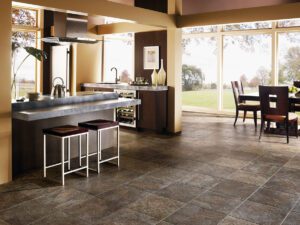
For homeowners who prefer the appearance of tile, vinyl tile flooring offers a similar look without the maintenance challenges of grout lines. It also provides better water resistance than many traditional flooring options.
Waterproof Flooring
Many modern vinyl products fall under the category of waterproof flooring, making them ideal for kitchens where moisture exposure is common.
Best Flooring for Bathrooms
Bathrooms experience constant humidity and frequent water exposure, so waterproof materials are essential.
Waterproof Flooring
Installing waterproof flooring helps protect the subfloor from moisture damage and prevents long-term structural problems.
Vinyl Tile Flooring
Vinyl tile flooring is one of the most practical options for bathrooms. It provides the appearance of ceramic tile while offering easier maintenance and improved water resistance.
Vinyl Flooring
Traditional vinyl flooring also works well in bathrooms due to its durability and ability to handle moisture without warping or cracking.
Best Flooring for Bedrooms
Bedrooms prioritize comfort, warmth, and quiet. Flooring in these rooms should create a relaxing environment while still being practical for everyday use.
Carpet Flooring
Carpet flooring remains a favorite for bedrooms because it provides softness underfoot and helps absorb sound. It also helps maintain warmth during colder months.
Hardwood Flooring
Some homeowners prefer hardwood flooring in bedrooms for its clean, natural appearance and ease of cleaning. Hardwood floors can also improve indoor air quality by reducing dust and allergens compared to carpet.
Area rugs can be added to hardwood floors to provide extra comfort while still maintaining the aesthetic appeal of natural wood.
Best Flooring for Basements
Basements often present unique challenges due to humidity and potential moisture issues. Flooring materials in this area must be able to handle damp conditions.
Vinyl Plank Flooring
Vinyl plank flooring is one of the best options for finished basements because it is resistant to moisture and durable enough to handle regular use. It also provides the look of hardwood flooring without the risk of water damage.
Waterproof Flooring
Installing waterproof flooring in a basement helps protect against leaks, humidity, and temperature fluctuations, making it a reliable long-term solution.
When to Consider Carpet Removal
Over time, carpet can become worn, stained, or outdated. In these cases, carpet removal may be the first step toward upgrading your home’s flooring.
Removing old carpet can improve indoor air quality, eliminate trapped allergens, and create opportunities to install more durable flooring options such as hardwood flooring or vinyl flooring.
Many homeowners choose to replace carpet with hardwood in living areas or install vinyl plank flooring in high-traffic spaces for improved durability and easier maintenance.
Restoring Hardwood Floors Instead of Replacing Them
If your home already has hardwood floors, replacement may not be necessary. In many cases, hardwood restoration can bring older floors back to life.
Restoration involves sanding the surface, repairing minor imperfections, and applying a new protective finish. This process can eliminate scratches, discoloration, and worn finishes, making the floor look nearly new again.
Choosing hardwood restoration instead of replacement can save homeowners money while preserving the natural character of their floors.
Flooring Comparison by Room
Here is a quick overview of the best flooring options for each major room in your home:
| Room |
Recommended Flooring |
Why It Works |
| Living Room |
Hardwood Flooring |
Durable and adds long-term value |
| Kitchen |
Vinyl Flooring |
Resistant to spills and easy to clean |
| Bathroom |
Vinyl Tile Flooring |
Waterproof and low maintenance |
| Bedroom |
Carpet Flooring |
Soft, comfortable, and quiet |
| Basement |
Vinyl Plank Flooring |
Moisture resistant and durable |
Get Professional Flooring Advice from Bode Floors
Choosing the right flooring for each room can make a significant difference in both the functionality and value of your home. Whether you’re planning a renovation or replacing outdated materials, working with experienced flooring professionals can help ensure the best results.
At Bode Floors, our team specializes in a wide range of flooring services, including:
- Hardwood flooring installation
- Hardwood restoration
- Carpet removal
- Vinyl plank flooring installation
- Vinyl tile flooring installation
- Waterproof flooring solutions
If you’re considering new flooring or upgrading your current floors, professional guidance can help you select the best materials for every room in your home.
Contact us today to schedule a consultation and explore the flooring options that fit your home, style, and budget.
By le-seo | March 10th, 2026