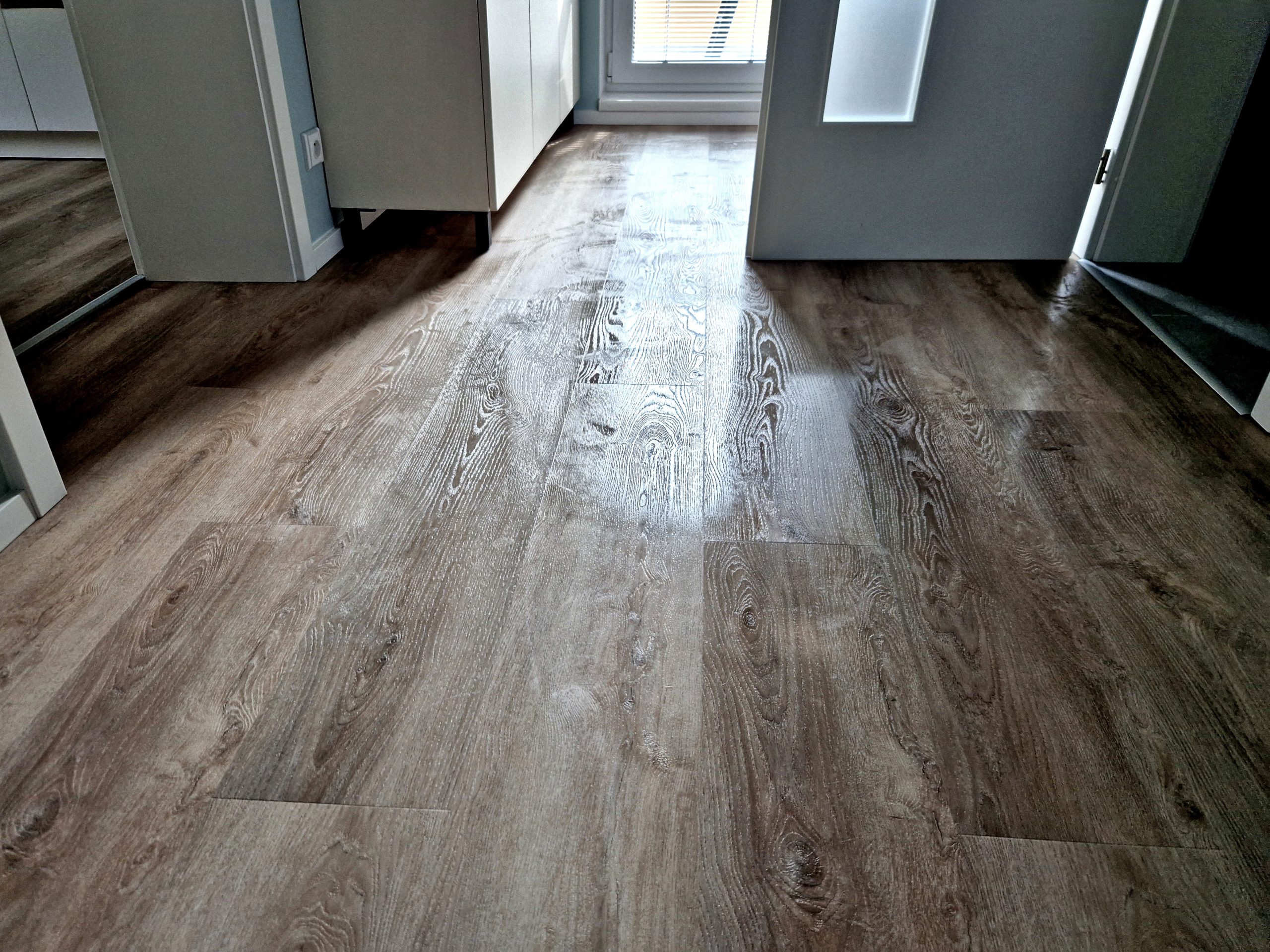
Is Luxury Vinyl Flooring Waterproof? What You Should Know
Spilled drinks, wet shoes, pet accidents, plumbing problems, and household humidity can all expose your floors to moisture. That is one reason luxury vinyl flooring has become a popular option for kitchens, bathrooms, basements, laundry rooms, and other active spaces.
But is luxury vinyl flooring truly waterproof?
Many modern luxury vinyl plank, or LVP, and luxury vinyl tile, or LVT, products are manufactured with waterproof surfaces and cores. However, the level of protection depends on the specific product, installation method, subfloor, and source of the moisture.
Is Luxury Vinyl Flooring Really Waterproof?
Many LVP and LVT products are considered waterproof because the material does not readily absorb water. Everyday spills, splashes, and pet accidents generally will not cause the planks to swell in the same way some wood-based materials can.
However, waterproof flooring does not make the entire room waterproof. Water can still reach the subfloor by traveling:
- Around the perimeter of the room
- Beneath baseboards or transitions
- Through damaged or improperly connected joints
- Around toilets, tubs, or appliances
- Beneath the flooring during a major leak
Product quality, subfloor preparation, and professional installation all affect how the finished flooring system handles moisture.
Waterproof vs. Water-Resistant Flooring
Waterproof and water-resistant are not necessarily interchangeable terms.
Waterproof flooring is designed so ordinary water exposure will not damage its surface or core when the product is used and installed according to manufacturer requirements.
Water-resistant flooring can tolerate limited moisture, but it may become damaged if water remains too long or reaches vulnerable parts of the product.
Before purchasing flooring, review the specifications and warranty. Confirm whether the product is approved for bathrooms, basements, or other moisture-prone rooms. You should also determine whether its warranty covers only surface spills or addresses moisture beneath the floor.
How Waterproof Luxury Vinyl Is Constructed
Luxury vinyl typically contains several layers that work together.
Protective wear layer
The clear top layer helps resist stains, scuffs, and everyday wear. Homes with pets, children, or heavy traffic may benefit from a more durable surface.
Printed design layer
This layer creates the appearance of hardwood, stone, or tile. Modern printing and texturing can reproduce realistic grain patterns, knots, and natural variations.
Waterproof or moisture-resistant core
Many rigid-core products use composite materials engineered not to absorb ordinary household spills. Construction varies, so compare the specifications of each product.
Backing or attached pad
Some products include an attached pad for support, sound reduction, or comfort. Others require a separate underlayment approved by the manufacturer.
Where Can Waterproof LVP Be Installed?
A properly selected luxury vinyl product can work in many areas of the home.
Kitchens
LVP can handle common spills, pet bowls, and moisture near sinks or dishwashers. It also provides a wood-look appearance with relatively simple maintenance.
Bathrooms
Many waterproof vinyl products are approved for bathrooms. Correct installation around toilets, tubs, walls, and transitions is essential.
Luxury vinyl should not be installed inside a shower unless the product is specifically approved for that application.
Basements
Waterproof LVP may be a practical alternative to traditional hardwood in a basement. However, it will not correct foundation leaks, drainage issues, excessive humidity, or moisture rising through a concrete slab.
Laundry rooms and mudrooms
Luxury vinyl can tolerate wet clothing, muddy shoes, and occasional splashes. Major appliance leaks still require immediate attention because water may travel beneath the floor.
What Happens If Water Gets Under LVP?
The vinyl itself may resist water, but trapped moisture underneath can still cause problems.
Water beneath the flooring may damage a wood subfloor, affect adhesive, produce odors, or contribute to mold and mildew in surrounding materials.
A small surface spill can usually be wiped up without difficulty. A plumbing leak, appliance failure, or flood should be handled differently. Stop the water source and determine whether moisture reached beneath the flooring.
A waterproof label should not be interpreted to mean that a floor can remain submerged indefinitely.
Why Professional Installation Matters
Even a high-quality product can perform poorly when installed over an unsuitable surface or without following manufacturer instructions.
Professional installation may include:
- Inspecting the subfloor for damage or uneven areas
- Testing concrete or wood subfloors for moisture
- Selecting the correct installation method
- Leaving proper expansion space
- Installing transitions correctly
- Fully connecting click-lock joints
Subfloor preparation is especially important. Uneven surfaces can place stress on locking systems, while existing moisture can affect both the flooring and the materials underneath it.
Other Benefits of Luxury Vinyl Flooring
Waterproof performance is only one advantage of LVP and LVT.
Luxury vinyl is available in a wide range of wood, stone, and tile designs. It is generally easy to clean and can feel softer and warmer than ceramic tile.
Many products are also designed for active households and offer protection against common stains, scuffs, and wear.
Waterproof does not mean scratch-proof, however. Homeowners with large pets, heavy furniture, or high-traffic rooms should compare wear layers and surface-protection features.
How to Choose the Right Waterproof Flooring
Consider these factors when comparing luxury vinyl:
- Room traffic
- Exposure to spills or humidity
- Subfloor type and condition
- Scratch and stain resistance
- Installation requirements
- Warranty coverage
- Preferred color, plank width, and texture
A flooring specialist can help you compare products based on your lifestyle, design goals, maintenance preferences, and budget.
How to Care for Waterproof LVP
To protect the floor’s appearance:
- Clean spills promptly
- Sweep or vacuum regularly
- Use a manufacturer-approved cleaner
- Place mats near exterior doors
- Use protective pads beneath furniture
- Avoid abrasive tools and harsh chemicals
- Do not use a steam mop unless specifically permitted
Always follow the care instructions for the exact product installed.
Frequently Asked Questions About Waterproof Luxury Vinyl Flooring
Is every luxury vinyl floor waterproof?
No. Many luxury vinyl plank and luxury vinyl tile products are waterproof, but others may only be water-resistant. Always review the manufacturer’s specifications and warranty before choosing a product.
Can waterproof LVP be installed in a bathroom?
Many waterproof LVP products are suitable for bathrooms when they are installed correctly. Confirm that the specific flooring is approved for bathroom use and follow all manufacturer requirements around toilets, tubs, walls, and transitions.
Is waterproof vinyl suitable for basements?
Yes, waterproof vinyl can be a practical basement flooring option. However, active leaks, drainage problems, excessive humidity, and subfloor moisture should be corrected before installation.
Does waterproof mean flood-proof?
Not always. Waterproof flooring is designed to resist ordinary spills and moisture, but flood coverage varies by manufacturer and product. Review the warranty carefully to understand what is and is not covered.
Explore Waterproof Flooring with Bode Floors
Luxury vinyl can be an attractive and practical choice for busy homes, but selecting the right product and installation method is essential.
Bode Floors helps homeowners compare LVP, LVT, and other waterproof flooring options based on the room, household, budget, and design goals.
Visit the Bode Floors showroom or schedule a consultation to explore waterproof flooring and professional installation options for your home.
By Emily Bode | April 10th, 2026